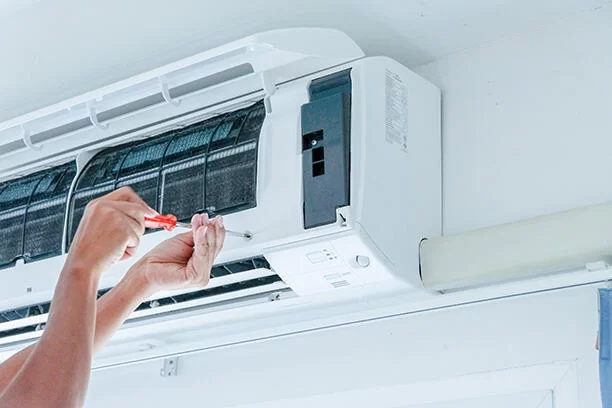
Air conditioning systems rely on more than mechanical parts to function correctly. Behind the cooling process is a network of electrical components that regulate power flow, control temperatures, and protect the system from damage. When an air conditioner fails or operates inconsistently, electrical issues are often a contributing factor. AC repair services focus heavily on diagnosing and correcting these electrical elements to restore stable performance. From startup cycles to continuous operation, electrical components influence how efficiently and safely a system runs. Understanding their role helps explain why many cooling problems cannot be resolved by cleaning or mechanical adjustment alone, making electrical diagnostics a core part of professional AC repair.
How Electrical Systems Support Cooling
- Power Distribution and System Startup
Every air conditioning cycle begins with electrical power distribution. When a thermostat signals for cooling, electricity must travel through relays, contactors, and wiring before the system can start. If any part of this electrical pathway is compromised, the AC may fail to turn on or may start inconsistently. AC repair services examine voltage levels, connection integrity, and wear on electrical contacts to ensure power flows smoothly. Even small electrical disruptions can prevent motors and compressors from engaging properly. In homes where new systems are added alongside existing wiring, issues may surface after air conditioner installation in Bristow if circuits are not properly matched to system requirements. Repair work in these cases often focuses on correcting electrical compatibility rather than mechanical faults.
- Control Boards and Communication Accuracy
Modern air conditioning systems rely on control boards to manage communication between components. These boards interpret thermostat signals, regulate fan speeds, and control compressor cycles. When control boards malfunction, the system may short-cycle, fail to respond to temperature changes, or shut down unexpectedly. AC repair services involve testing these boards for signal accuracy, burn marks, or component degradation caused by power fluctuations. Because control boards serve as the system’s decision-making center, even minor electrical anomalies can cause noticeable comfort issues. Repairing or recalibrating these boards restores proper communication and ensures that cooling commands are executed accurately rather than erratically.
- Capacitors and Motor Performance
Capacitors play a crucial role in powering motors that drive fans and compressors. These components store and release electrical energy to help motors start and maintain steady operation. When a capacitor weakens or fails, motors may struggle to start, run inefficiently, or shut down under load. AC repair services test capacitors to confirm they are delivering the correct charge. A failing capacitor often causes symptoms such as humming sounds or delayed startup, which can be mistaken for mechanical failure. Addressing capacitor issues early prevents excessive strain on motors and reduces the risk of cascading electrical damage throughout the system.
- Electrical Safety at a Glance
Electrical components not only support performance but also protect the system from unsafe conditions. Safety features built into AC units monitor voltage, temperature, and current. When these safeguards function properly, they prevent overheating, short circuits, and electrical overloads that could damage equipment or create hazards. AC repair services ensure these protective elements operate as intended.
- Sensors and Temperature Regulation
Accurate temperature control depends on sensors that measure indoor and system conditions. These sensors relay information to control boards, allowing the system to adjust output accordingly. If sensors provide incorrect readings due to wiring issues or degradation, the AC may overcool, undercool, or run longer than necessary. AC repair technicians inspect sensor placement, wiring continuity, and calibration to ensure accurate feedback. Electrical faults in sensor circuits often cause comfort complaints that appear unrelated to the electrical system at first glance. Restoring sensor accuracy helps the system respond correctly to real conditions rather than faulty signals.
- Wiring Integrity and Load Balance
Wiring serves as the connective tissue of an air conditioning system, linking all electrical components. Over time, vibration, heat, and environmental exposure can loosen connections or degrade insulation. AC repair services include inspecting wiring for signs of wear, corrosion, or overheating. Improper load balance across circuits can also cause breakers to trip or components to receive inconsistent power. Repair work focuses on securing connections, replacing damaged wiring, and ensuring circuits are appropriately rated. Stable wiring reduces electrical resistance and supports consistent system performance, preventing intermittent failures that are difficult to trace.
- Electrical Components and Energy Efficiency
Electrical health directly influences energy consumption. When components such as contactors or capacitors operate inefficiently, the system draws more power to achieve the same cooling output. AC repair services address these inefficiencies by restoring proper electrical function, enabling the system to cycle smoothly rather than overworking. Efficient electrical operation reduces unnecessary energy use and supports more predictable performance. While mechanical parts handle heat transfer, electrical components determine how effectively that process is powered and controlled. Balanced electrical systems contribute to both comfort and operational stability.
Electrical components play a central role in how air conditioning systems operate, respond, and remain safe over time. From power distribution and control boards to sensors and wiring, these elements guide every cooling cycle. AC repair services place strong emphasis on electrical diagnostics because many performance issues stem from unseen electrical faults rather than visible mechanical damage. By restoring proper electrical function, repairs improve reliability, efficiency, and comfort while reducing the risk of recurring failures. Understanding the importance of electrical components highlights why comprehensive AC repair goes beyond surface-level fixes and focuses on the system as an interconnected whole.