Air conditioning systems rely on many components working together, but some of the most important parts remain largely unseen. AC line sets are one such element, quietly connecting indoor and outdoor units and allowing the cooling process to function as intended. Without properly designed and installed line sets, even advanced air-conditioning equipment can struggle to operate efficiently. These copper lines carry refrigerant back and forth, enabling heat to be absorbed indoors and released outside. For homeowners and building managers, understanding how line sets affect performance can inform better decisions during installation, replacement, or system upgrades. Their condition, sizing, and placement all directly affect reliability, comfort, and long-term operation.
How Line Sets Affect System Performance
- What AC Line Sets Do Within the System
At the most basic level, line sets provide the pathway for refrigerant to circulate between the evaporator coil inside and the condenser unit outside. One line carries refrigerant in a low-pressure gas state, while the other returns it as a high-pressure liquid. This continuous cycle enables heat transfer, which is the foundation of air conditioning. When line sets are properly sized and routed, refrigerant flows smoothly, supporting stable cooling output. If there are restrictions, leaks, or improper bends, the system must work harder to achieve the same result. Understanding the function of AC line sets helps explain why these components play such a critical role in overall system behavior and consistency.
- Material Quality and Installation Considerations
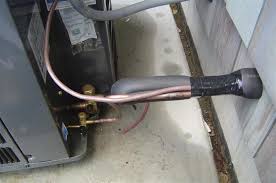
Line sets are typically made of copper because of its durability and ability to handle pressure and temperature changes. However, material quality alone does not guarantee proper performance. Installation practices significantly influence how well the lines perform over time. Proper brazing, insulation, and routing prevent heat gain, vibration damage, and refrigerant loss. Line sets exposed to extreme conditions without insulation can absorb excess heat, reducing cooling efficiency. Poorly secured lines may rub against structures, leading to wear and eventual leaks. Attention to detail during installation supports smoother operation and helps prevent issues that might otherwise appear months or years later.
- Line Set Sizing and System Balance
Correct sizing of line sets ensures that refrigerant volume and pressure remain within the system’s intended operating range. Lines that are too small can restrict flow, while oversized lines may disrupt oil return to the compressor. Both situations place unnecessary stress on system components. Manufacturers provide guidelines for line length and diameter based on equipment capacity and layout. When installations exceed standard distances, adjustments may be needed to maintain balance. Proper sizing helps maintain steady temperatures and enables the system to respond predictably to thermostat commands. This balance contributes to consistent comfort and reduces the likelihood of performance fluctuations.
- Focused Insight on Replacement Timing
Line sets do not always need replacement when an air conditioner is upgraded, but there are situations where replacement becomes necessary. Older line sets may contain residue from previous refrigerants or exhibit corrosion. This short paragraph highlights how timing replacement decisions correctly helps avoid contamination and compatibility issues, supporting cleaner operation and reducing the risk of future failures.
- Insulation and Energy Efficiency Impacts
Insulation around line sets serves a vital purpose by limiting heat exchange with the surrounding air. The suction line, which carries cool refrigerant gas, is especially sensitive to temperature changes. Without proper insulation, it can absorb heat before reaching the condenser, reducing efficiency. Over time, damaged or missing insulation can also lead to condensation, which may cause water damage around walls or ceilings. Maintaining insulation helps preserve energy efficiency and protects nearby building materials. Well-insulated line sets contribute to stable system performance by keeping refrigerant temperatures within the desired range throughout the cycle.
- Routing and Structural Integration
How line sets are routed through a building affects both appearance and function. Shorter, direct paths typically support better performance by minimizing pressure loss and exposure to temperature extremes. However, building design often requires creative routing through walls, ceilings, or exterior spaces. Proper planning helps avoid sharp bends and unnecessary length, which can strain refrigerant flow. Secure mounting prevents movement and vibration that could weaken joints over time. When line sets are integrated thoughtfully into the structure, they support long-term reliability while remaining unobtrusive.
- Long-Term Maintenance and Inspection
Although line sets are not adjusted frequently, periodic inspection plays an important role in system health. Visual checks can reveal insulation damage, oil stains, or corrosion that may indicate developing problems. Addressing these signs early helps prevent refrigerant loss and protects the compressor from strain. Maintenance routines often focus on visible components such as filters and coils, but including line sets in inspections supports a more comprehensive approach. Keeping these lines in good condition helps ensure the system continues to operate within its intended parameters year after year.
AC line sets may not attract much attention, but their influence on cooling performance is significant. From carrying refrigerant to supporting system balance and efficiency, these components quietly shape how an air conditioner operates every day. Proper material selection, careful installation, and ongoing attention help ensure that line sets perform their role without interruption. When properly understood and maintained, they contribute to consistent comfort, reduced equipment strain, and reliable long-term operation. By recognizing their importance, property owners and installers alike can make more informed decisions that support reliable cooling outcomes.