Water damage can alter a property’s condition far beyond what is visible on the surface. When water enters walls, flooring, or structural materials, the damage continues even after the source is stopped. Drying becomes the most critical step in stabilizing the space and preventing further deterioration. Professional drying focuses on removing hidden moisture, controlling humidity, and restoring balance to affected materials. This process supports recovery by protecting structural integrity, indoor conditions, and long-term usability. Understanding how professional drying functions in water damage recovery underscores why it is central to restoring a property safely and effectively.
Why Drying Determines Recovery Success
- How Moisture Moves Through Structures
Water does not remain confined to the area where it first appears. Once absorbed, moisture travels through porous materials such as drywall, wood framing, insulation, and flooring. Capillary action allows water to move upward and outward, spreading damage beyond the initial point of entry. Professional drying addresses this movement by identifying how moisture has migrated and adjusting airflow and humidity accordingly. In some recovery cases, drying strategies are coordinated alongside waterproofing help from Impact Crawlspace in Wilmington to manage both current moisture and long-term prevention concerns. Understanding moisture movement enables drying efforts to focus on areas that might otherwise be overlooked, reducing the risk of residual moisture.
- Controlled Drying and Material Stability
Drying is not simply about removing water as quickly as possible. Materials react differently to rapid or uneven drying, which can lead to warping, cracking, or structural stress. Professional drying methods control temperature, airflow, and humidity to ensure materials release moisture at a stable rate. This approach helps preserve flooring, framing, and wall systems that might otherwise require removal. Controlled drying supports recovery by balancing drying speed with material protection, allowing structures to return to normal moisture levels without introducing additional damage from aggressive drying techniques.
- Monitoring Moisture Levels Over Time
Effective drying requires ongoing monitoring rather than a single intervention. Moisture levels change as materials release trapped water, and drying equipment must be adjusted accordingly. Professionals use moisture readings to track progress and determine when materials have reached safe levels. This monitoring ensures that drying continues long enough to address hidden moisture rather than stopping when surfaces feel dry. Continuous assessment supports accuracy and reduces the risk of moisture being sealed behind finishes, which could lead to future issues.
- Airflow and Humidity Management
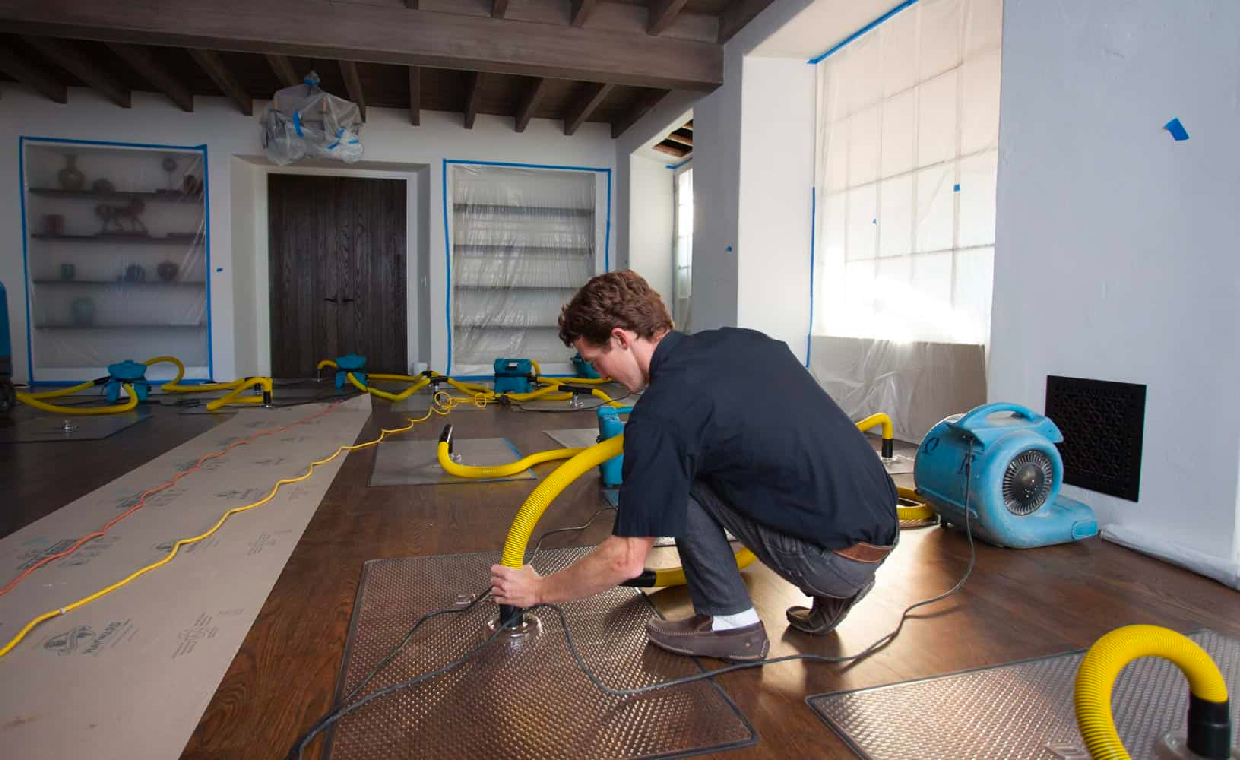
Airflow and humidity control work together during professional drying. Air movement helps evaporate moisture from surfaces, while dehumidification removes water vapor from the air. Without proper balance, moisture can reabsorb into materials or linger in enclosed spaces. Professional drying plans account for room size, material type, and environmental conditions to manage this balance effectively. By controlling indoor humidity, drying efforts support a stable environment that allows materials to dry evenly. This coordinated approach is essential for thorough recovery.
- Reducing Secondary Damage Risks
One of the key roles of professional drying is limiting secondary damage that develops after the initial water event. Prolonged moisture exposure can weaken materials, affect finishes, and compromise indoor comfort. Effective drying interrupts this progression by removing moisture before it causes additional deterioration. This reduces the need for extensive repairs and helps preserve more of the original structure. By addressing moisture early and thoroughly, professional drying supports a more efficient recovery process.
- Drying as Part of a Coordinated Recovery Plan
Professional drying works most effectively when integrated into a broader recovery strategy. Coordination with inspections, repairs, and preventive measures ensures that drying supports the overall goal of restoring the property. Drying is not an isolated task but part of a sequence that stabilizes the environment before rebuilding or refinishing begins. This coordination helps ensure that recovery efforts proceed without setbacks from unresolved moisture issues.
Professional drying is critical to water damage recovery, addressing hidden moisture that may not be immediately visible or felt. Through controlled drying, monitoring, airflow management, and coordination with broader recovery efforts, drying supports structural stability and indoor balance. Its purpose extends beyond surface dryness to restoring materials to safe moisture levels. Understanding this role underscores why drying is central to recovery outcomes and why careful moisture management remains essential for protecting properties after water damage.