Modern homes are increasingly defined by how efficiently they manage comfort, energy use, and daily routines. Heating and cooling systems no longer operate in isolation; they are guided by intelligent controls that respond to real-world habits and conditions. Smart thermostats have become a central part of this shift, allowing homeowners to move beyond basic temperature adjustments and into a more responsive environment. We will explore how smart thermostats and control options transform the way households manage indoor comfort, reduce unnecessary energy use, and gain clearer insight into system performance. When installed and configured correctly, these tools provide consistent comfort and align with modern expectations for convenience, connectivity, and long-term system reliability.
Adaptive Scheduling and Daily Comfort Management
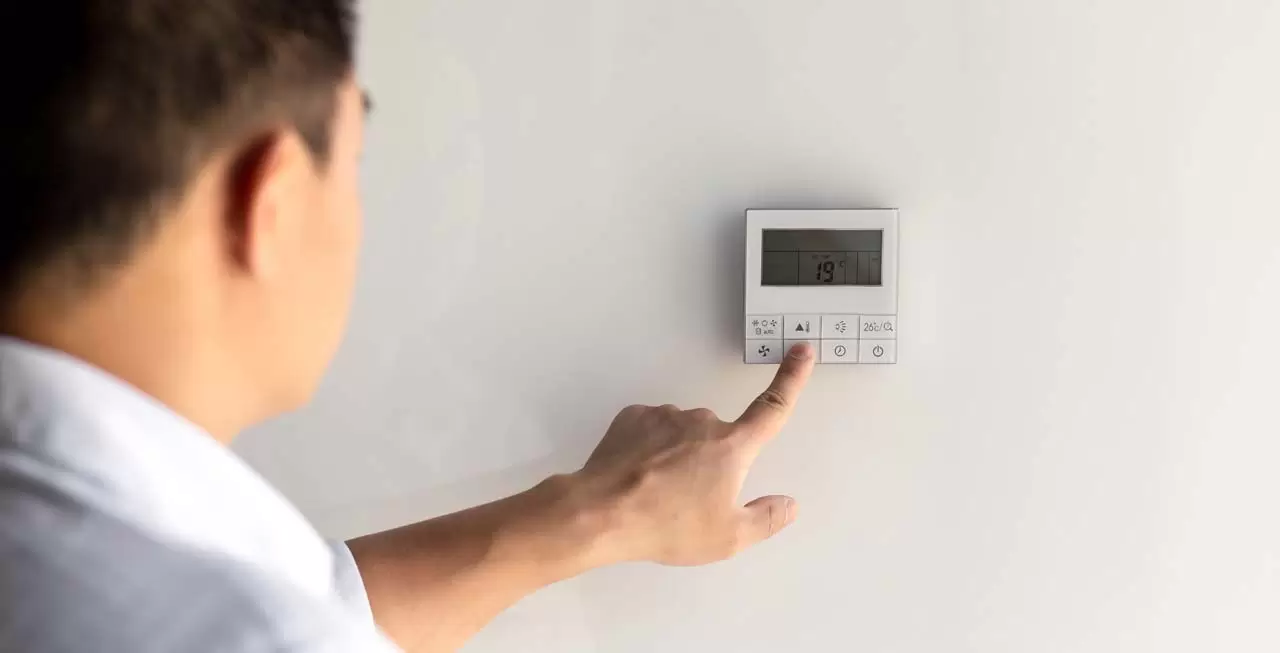
Smart thermostats change how heating and cooling schedules are created and maintained. Instead of relying on fixed, manual programming, these systems learn from daily routines and adapt to real usage patterns. Over time, they learn when occupants are typically home, asleep, or away and automatically adjust temperatures to match those patterns. This approach reduces the need for frequent manual adjustments and helps prevent energy waste from forgotten settings. Adaptive scheduling also accounts for seasonal changes, ensuring comfort remains consistent even as outdoor temperatures fluctuate.
Homeowners gain a sense of control without having to manage every adjustment themselves. The thermostat becomes a responsive interface that supports comfort throughout the day while quietly optimizing system operation. This level of automation is particularly valuable in households with changing schedules, remote work arrangements, or frequent travel, as it ensures the system responds intelligently without constant oversight.
Remote Access and Real-Time System Awareness
One of the most practical advantages of smart thermostat technology is remote accessibility. Through connected applications, users can monitor and adjust their heating and cooling systems from virtually anywhere. This capability provides peace of mind, especially when unexpected schedule changes occur. If a home is left empty longer than planned, temperature settings can be adjusted instantly to reduce unnecessary energy use. Real-time system awareness also allows homeowners to view current indoor conditions, system status, and recent activity. This transparency helps users understand how their HVAC system is performing daily. When paired with professional installation by a Cleburne air conditioning contractor, these controls are configured to communicate accurately with existing equipment, ensuring that remote commands translate into reliable system responses rather than delayed or inefficient operation.
Energy Monitoring and Informed Decision-Making
Smart thermostats offer more than control; they provide insight. Many models include energy monitoring features that track usage patterns over time. These reports help homeowners identify trends, such as increased consumption during extreme weather or inefficiencies tied to certain schedules. With this information, adjustments can be made to improve performance without sacrificing comfort. Energy data also supports better long-term planning, allowing households to evaluate how changes in insulation, occupancy, or equipment upgrades affect overall usage. Rather than guessing why utility costs fluctuate, homeowners can make informed decisions based on actual system behavior. This level of visibility encourages proactive management of heating and cooling systems, turning the thermostat into a practical tool for both comfort and cost awareness.
Integration with Home Systems and Environmental Sensors
Smart thermostat controls are designed to work within a broader connected home environment. They can integrate with indoor air quality sensors, humidity controls, and zoning systems to create a more balanced living space. By responding to humidity levels or occupancy sensors, the thermostat adjusts its operation to maintain comfort without overworking the system. This integration supports healthier indoor conditions by managing temperature and air quality together rather than separately. When properly installed, these connections operate seamlessly, reducing equipment strain and ensuring consistent performance. The company approaches these installations with attention to system compatibility, ensuring that controls enhance existing HVAC components rather than complicate them. The result is a coordinated environment that addresses comfort, efficiency, and system longevity.
Professional Installation and Long-Term System Performance
While smart thermostats are often marketed as simple upgrades, professional installation plays a significant role in their effectiveness. Correct wiring, configuration, and calibration ensure that the thermostat communicates accurately with heating and cooling equipment. Improper setup can lead to inconsistent temperatures, system short cycling, or inaccurate readings. A professionally installed control system is tailored to the home’s specific characteristics and HVAC equipment, ensuring smooth operation over time. This approach also includes educating homeowners on how to use advanced features effectively, ensuring the technology delivers practical value rather than unused complexity. The company emphasizes proper setup and system matching, allowing smart controls to function as intended and support reliable performance across changing seasons.
Smart thermostat and control options represent a meaningful evolution in how homes manage heating and cooling. By combining adaptive scheduling, remote access, energy insights, and system integration, these tools support a more responsive and informed approach to indoor comfort. When thoughtfully implemented, smart thermostats reduce unnecessary energy use, simplify daily management, and provide clear visibility into system performance. When installed with care and attention to detail, they become a long-term asset that supports comfort, efficiency, and confidence in maintaining a home’s environment throughout the year.