sã³fbol is a sport defined by speed, precision, and community. Often misunderstood as simply a smaller version of baseball, sã³fbol has evolved into a global game with its own identity, elite athletes, international competitions, and a rapidly growing fan base. From school fields to Olympic stadiums, sã³fbol delivers intensity in every pitch and strategic depth in every inning.
This explores everything you need to know about sã³fbol: its origins, rules, field layout, positions, equipment, health benefits, and its expanding influence around the world. Whether you are a beginner, a coach, a parent, or a sports enthusiast, this article offers a clear and authoritative understanding of the sport.
What Is sã³fbol?
sã³fbol is a team sport played between two teams, typically consisting of nine players each. The objective is to score runs by hitting a ball with a bat and safely advancing around a diamond-shaped field of four bases.
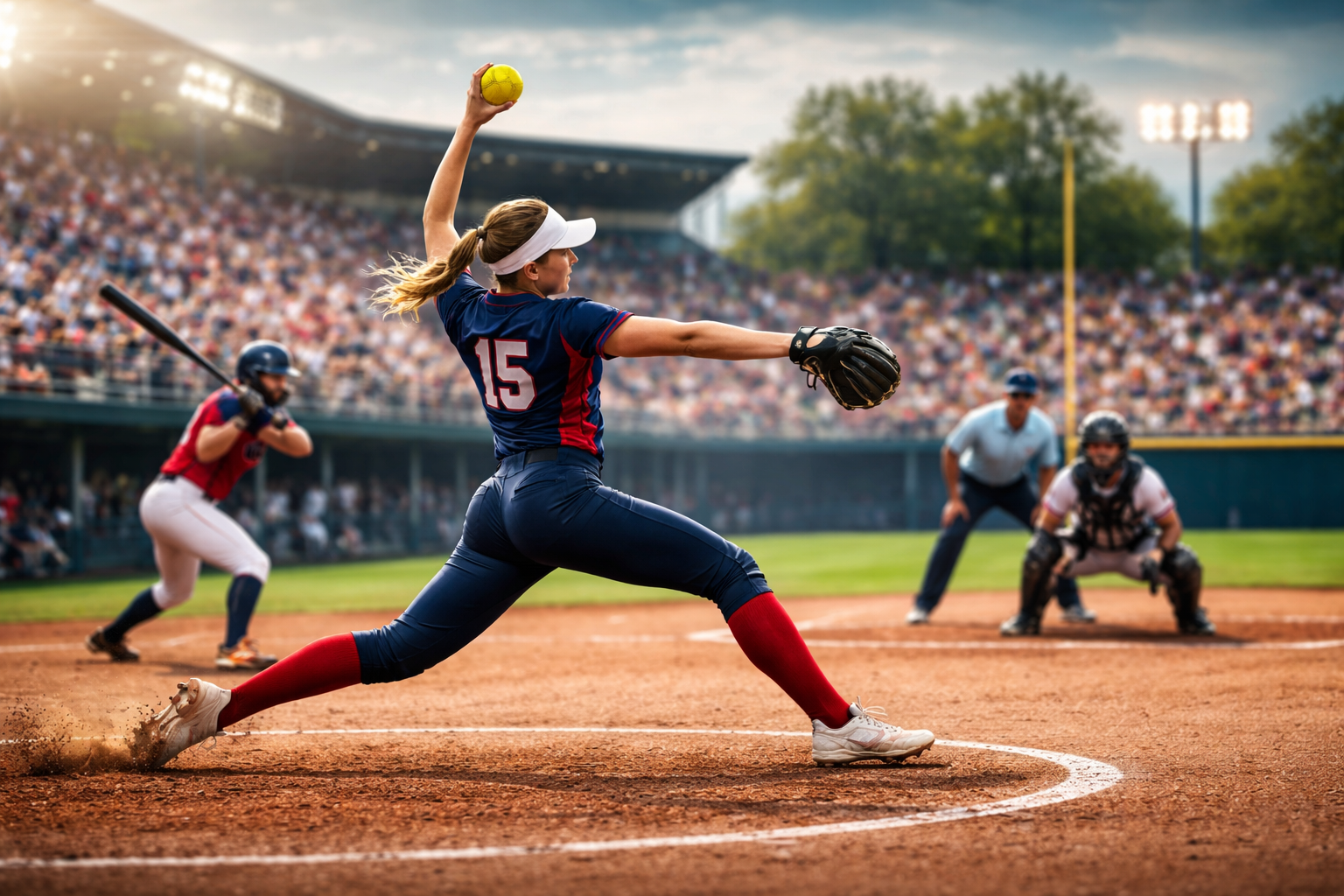
While sã³fbol shares historical roots with baseball, it is governed by distinct rules and gameplay mechanics. The ball is larger, the field is smaller, and pitchers deliver the ball using an underhand windmill motion. These characteristics create a faster-paced game that demands sharp reflexes and quick decision-making.
sã³fbol is played by people of all ages and skill levels and is especially prominent in youth development programs, school athletics, and women’s sports.
The History of sã³fbol
The origins of sã³fbol date back to 1887 in Chicago, where it was initially played indoors as a winter alternative to baseball. What began as a casual recreational activity soon developed formal rules and moved outdoors.
By the early 20th century, sã³fbol had spread across North America and later into Asia, Latin America, Europe, and Oceania. The sport gained significant traction among women, becoming one of the most important platforms for female athletic participation worldwide.
Today, sã³fbol is governed internationally by the World Baseball Softball Confederation, which oversees world championships, international rankings, and Olympic qualification events.
sã³fbol on the Global Stage
sã³fbol reached global prominence through its inclusion in the Olympic Games. After debuting in 1996, the sport returned to the Olympic program at Tokyo 2020, where it drew strong international viewership and showcased elite-level competition.
This Olympic exposure reinforced sã³fbol’s credibility as a high-performance sport and inspired new investment in youth programs, coaching development, and professional leagues around the world.
Basic Rules of sã³fbol
sã³fbol rules are designed to keep the game moving quickly while maintaining strategic balance between offense and defense.
A standard game consists of seven innings. Each inning is divided into a top and bottom half, allowing both teams to bat and play defense. The visiting team bats first, followed by the home team.
A team scores a run when a player successfully touches first base, second base, third base, and home plate in order after hitting the ball into fair territory.
Each batter faces the pitcher until one of three outcomes occurs: a hit, a walk, or an out. Three outs end a team’s turn at bat.
The sã³fbol Field Explained
The sã³fbol field is smaller than a baseball field, which contributes to the sport’s fast tempo.
The distance between bases is approximately 18.3 meters. The pitching distance varies depending on age group and competition level but is significantly shorter than in baseball. Outfield fences are also closer, demanding faster reaction times from defenders.
The compact field layout ensures that every play matters and that no moment in the game feels slow or disconnected.
Player Positions in sã³fbol
Each defensive team in sã³fbol typically uses nine players, each with a specialized role.
In the infield, the pitcher controls the pace of the game, while the catcher coordinates defensive strategy. First base, second base, shortstop, and third base players must react quickly to ground balls and line drives.
The outfield consists of left field, center field, and right field. These players cover large areas and must track fly balls with precision while making strong throws back to the infield.
Some leagues allow an additional designated player to strengthen offensive lineups without affecting defensive structure.
Types of sã³fbol
sã³fbol exists in several formats, each offering a different style of play.
Fastpitch sã³fbol is the most competitive version of the sport. Pitchers deliver high-speed underhand throws with advanced movement, and games are played at an elite level in international and collegiate competitions.
Slowpitch sã³fbol features higher-arcing pitches and places greater emphasis on hitting power and recreational participation. It is popular in community leagues and adult tournaments.
Modified sã³fbol blends elements of both styles and is often used in youth development programs.
sã³fbol vs Baseball
Although related, sã³fbol and baseball differ in several important ways.
sã³fbol uses a larger ball and a shorter field. Pitchers throw underhand rather than overhand, which creates different movement patterns and reaction challenges for hitters. Games are shorter, with fewer innings, and the pace of play is more continuous.
These differences make sã³fbol more accessible to new players while still offering depth and complexity at higher levels of competition.
Equipment Used in sã³fbol
Proper equipment is essential for performance and safety in sã³fbol.
Players use gloves specifically designed for the larger sã³fbol. Bats may be made from aluminum, composite materials, or wood, depending on league rules. Batters wear helmets, and catchers use full protective gear.
Cleats or turf shoes provide traction, while protective padding helps reduce injury risk, especially in competitive environments.
Physical and Mental Benefits of sã³fbol
sã³fbol offers a wide range of health and personal development benefits.
Physically, the sport improves hand-eye coordination, agility, strength, and cardiovascular endurance. The frequent bursts of activity mirror high-intensity interval training, making sã³fbol an effective full-body workout.
Mentally, sã³fbol sharpens focus, strategic thinking, and emotional resilience. Players must make quick decisions under pressure and learn to recover from mistakes in real time.
Socially, the sport fosters teamwork, leadership, and communication skills that extend beyond the field.
The Rise of Women’s sã³fbol
Women’s sã³fbol has played a major role in the sport’s global growth. In many countries, it is one of the most established pathways for female athletes to access scholarships, international competition, and professional opportunities.
Strong collegiate programs, national team structures, and international tournaments have elevated the visibility and professionalism of women’s sã³fbol. As a result, the sport is often cited as a model for sustainable women’s athletic development.
sã³fbol Around the World
sã³fbol enjoys strong followings in North America, Latin America, and Asia. The United States and Japan are widely regarded as traditional powerhouses, while countries such as Mexico, Venezuela, Puerto Rico, Cuba, Argentina, and Colombia continue to develop competitive national programs.
International tournaments, digital streaming platforms, and grassroots initiatives have helped expand the sport’s reach and popularity across continents.
The Future of sã³fbol
As sports audiences seek fast, engaging, and inclusive experiences, sã³fbol is uniquely positioned for continued growth. Its compact field, clear rules, and dynamic gameplay appeal to both players and spectators.
Investment in youth development, technology-enhanced coaching, and global competition structures suggests that sã³fbol will remain a key part of the international sports landscape for decades to come.
Conclusion
sã³fbol is far more than a simplified alternative to baseball. It is a sophisticated, high-energy sport with deep roots, global influence, and a powerful cultural impact. From its early beginnings to its modern Olympic presence, sã³fbol has proven its ability to adapt, inspire, and unite communities across the world.
Whether played recreationally or at the highest competitive level, sã³fbol offers physical challenge, mental growth, and a strong sense of belonging. Its future is not only secure but bright, driven by passionate athletes, dedicated organizations, and a growing global audience that continues to discover the unique excitement of the game.
Read also: Elevjihad: Meaning, Origins, and the Rise of a Modern Concept of Personal Struggle