A roof is one of the most important protective elements of any building, yet shingle damage often develops quietly over time. Weather exposure, temperature changes, and natural aging all contribute to gradual wear that may not be obvious at first glance. When shingles begin to fail, the roof’s ability to shed water and protect underlying materials weakens. Identifying roof shingle damage early helps prevent moisture intrusion, structural strain, and interior issues that are far more disruptive to resolve. Understanding how to recognize damage and determine when repairs are necessary allows homeowners to respond with confidence rather than waiting until visible leaks appear.
Signs, Causes, and Repair Timing
- Early Visual Indicators of Shingle Damage
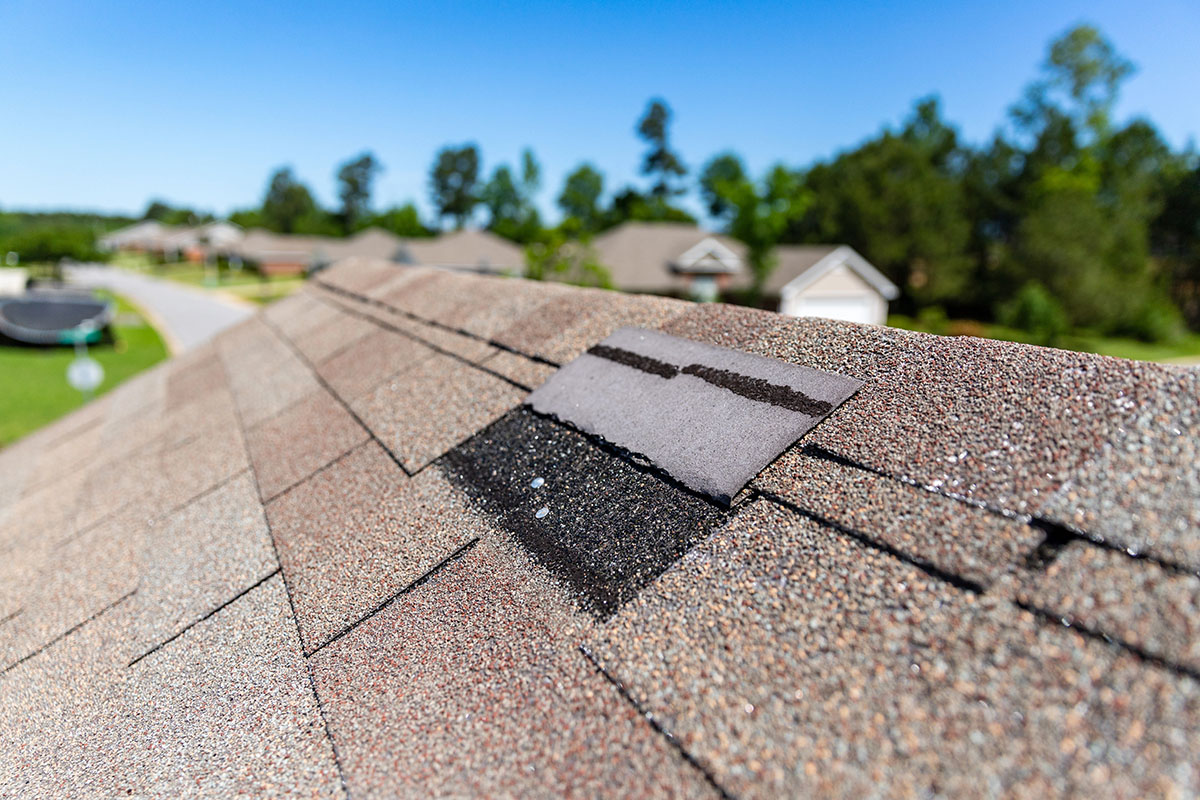
Shingle damage often presents subtle visual clues before serious problems develop. Curling edges, surface granule loss, or uneven texture can indicate that shingles are no longer performing as intended. These changes affect how water flows off the roof, increasing the chance of moisture lingering in vulnerable areas. In many inspections conducted by AAA Midwest Roofing, early visual indicators are the first sign that targeted repairs can restore roof performance. Identifying these signs promptly allows homeowners to address affected areas before damage spreads to other areas of the roof system.
- Weather Exposure and Gradual Deterioration
Shingles are designed to withstand environmental exposure, but constant sun, wind, rain, and temperature swings gradually reduce their durability. Ultraviolet radiation can dry out shingle surfaces, making them brittle over time. Wind may lift edges, breaking the seal that keeps shingles secured. Repeated moisture exposure can weaken protective layers beneath the surface. This slow deterioration is easy to overlook because it does not always produce immediate leaks. Recognizing how weather contributes to wear helps homeowners understand why periodic evaluation is important, even when no obvious damage is visible.
- Hidden Damage Beneath the Surface
Not all shingle damage is visible from the ground or even during casual inspection. Water intrusion beneath shingles can compromise underlayment and decking while leaving surface materials seemingly intact. Soft spots, subtle sagging, or discoloration on interior ceilings may indicate hidden roof issues. Shingles that appear intact may have lost their ability to seal properly, allowing moisture to travel underneath. Understanding that damage can exist beyond surface appearance reinforces the importance of careful assessment when determining whether repairs are needed.
- Impact of Storm Events on Shingles
Storms can accelerate shingle damage in ways that are not immediately obvious. High winds may loosen shingles without tearing them away, while hail can bruise surfaces and weaken internal layers. After severe weather, roofs may appear unchanged but still suffer from reduced performance. Small areas of damage can quickly expand as compromised shingles fail to protect surrounding materials. Evaluating roof condition after storms helps determine whether repairs are needed to maintain full coverage and prevent future leaks.
- Granule Loss and Protective Function
Granules on asphalt shingles play a critical role in protecting against sun exposure and enhancing durability. When granules begin to wash away or collect in gutters, shingles become more vulnerable to heat and moisture. Granule loss often signals that shingles are nearing the end of their functional life or have experienced accelerated wear. Identifying this condition early allows for repairs that address affected sections before widespread deterioration occurs. Granule loss is a clear indicator that repair decisions should be considered rather than postponed.
- Flashing and Shingle Interaction
Shingle performance is closely tied to how well they integrate with flashing around chimneys, vents, and roof edges. Damage often appears where shingles meet these transition points. Cracked or displaced shingles near flashing can allow water to bypass protective layers. Repairs in these areas are usually time-sensitive because they address common entry points for moisture. Understanding the relationship between shingles and flashing helps homeowners recognize why localized damage can have wider consequences if left unresolved.
- Interior Clues That Signal Roof Issues
Interior signs often provide indirect evidence of roof shingle damage. Water stains, peeling paint, or musty odors can indicate moisture intrusion from above. These symptoms may appear long after exterior damage begins. When interior clues are present, shingle repairs are often already overdue. Responding quickly to these signs helps limit damage to insulation, framing, and finishes. Interior indicators should always prompt a closer look at shingle condition and overall roof integrity.
- Timing Repairs to Prevent Escalation
Knowing when to repair shingles is as important as identifying damage. Small, isolated issues are often easier to address before they spread. Delaying repairs allows water to exploit weak points, thereby increasing the scope and complexity of repairs. Timely repairs help preserve the roof’s overall structure and extend its service life. Understanding repair timing helps homeowners avoid reactive decisions driven by emergencies and instead take proactive steps that support long-term protection.
- Repair Versus Replacement Considerations
Not all shingle damage requires full replacement. Repairs are often appropriate when damage is limited and surrounding shingles remain in good condition. Evaluating repair viability involves assessing shingle age, extent of damage, and overall roof performance. Repairs focus on restoring protection without disturbing unaffected areas. Recognizing when repairs are sufficient versus when broader action is needed helps homeowners make balanced, informed decisions.
- Long-Term Value of Regular Roof Assessment
Regular roof assessment supports early detection of shingle damage and informed repair planning. Periodic evaluations help track changes over time and identify patterns of wear. This proactive approach reduces uncertainty and allows homeowners budget for maintenance rather than facing unexpected repairs. Long-term roof care emphasizes consistency and awareness rather than waiting for visible failure.
Identifying roof shingle damage and understanding when repairs are needed are vital to protecting a home. From early visual indicators and weather-related wear to hidden moisture issues and interior warning signs, shingles provide valuable signals about roof health. Addressing damage promptly helps prevent escalation and supports long-term performance. By recognizing how shingles age and respond to environmental stress, homeowners can make timely repair decisions that preserve structural protection and avoid unnecessary disruption.