Plumbing fixtures are among the most frequently used components in any home or commercial property, making them especially vulnerable to wear, corrosion, and mechanical failure over time. Faucets, toilets, sinks, and shower components endure constant pressure, temperature fluctuations, and mineral buildup, which gradually degrade performance. When fixtures leak, clog, or malfunction, the issue often extends beyond a surface-level inconvenience and can lead to water waste, property damage, or hygiene concerns. Plumbers address these problems through a methodical process that evaluates whether repair is practical or replacement is the wiser long-term choice. Understanding how plumbing professionals approach fixture restoration helps property owners make informed decisions that balance functionality, cost, and durability without unnecessary disruption.
Benefits of plumbers
- Assessing the Condition of Damaged Plumbing Fixtures
Before any repair or replacement begins, plumbers focus on accurately assessing the condition of the damaged fixture. This evaluation goes beyond visible issues such as drips or loose handles and includes inspecting internal components, including cartridges, valves, seals, and connections. Corrosion, mineral buildup, and hairline fractures can compromise a fixture’s reliability even if it appears intact on the surface. Plumbers also consider the fixture’s age, material, and compatibility with existing plumbing lines. Older fixtures may use discontinued parts, making repairs less practical. In some cases, a simple washer replacement restores full function, while in others, internal wear suggests recurring problems if only partial repairs are made. Homeowners often contact a plumber in Greenville when repeated fixture failures indicate that a deeper inspection is necessary to determine whether ongoing repairs are sustainable.
- Repair Techniques Used to Extend Fixture Lifespan
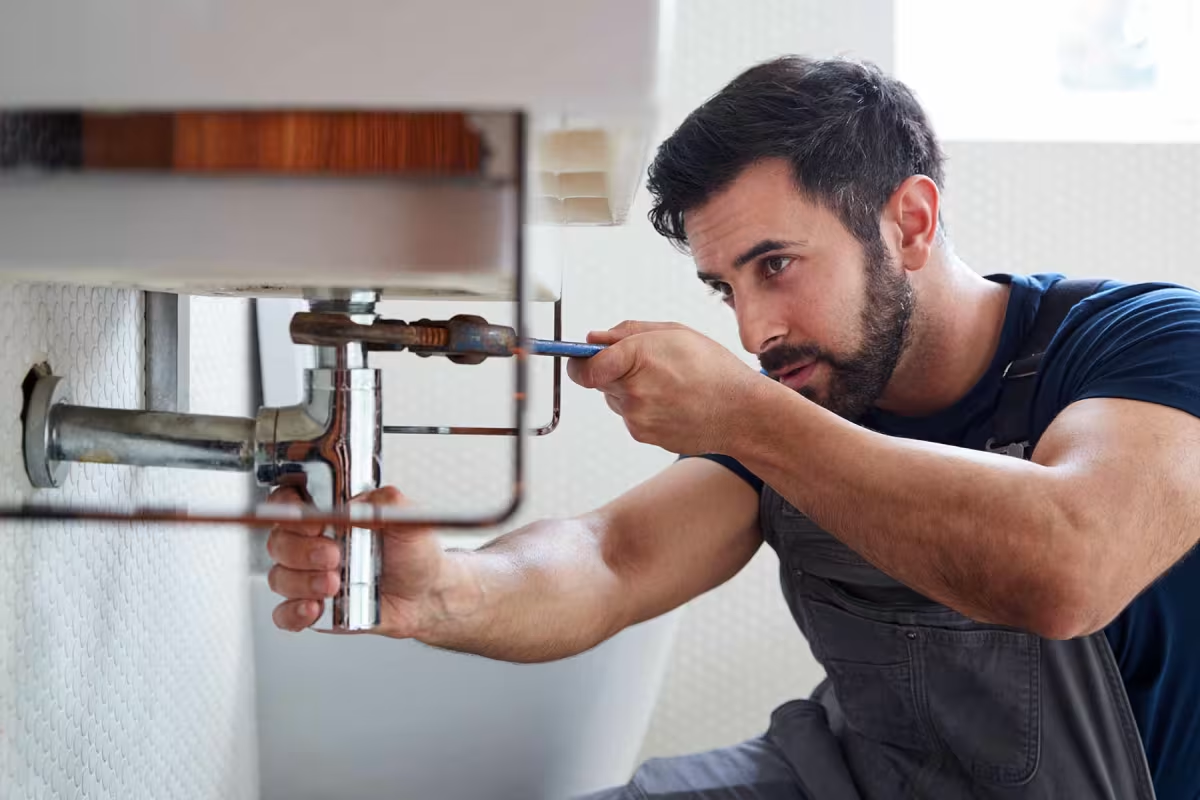
When a fixture’s core structure remains sound, plumbers typically prioritize repair to restore proper operation. Repair techniques vary depending on the type of fixture and the nature of the damage. For faucets, this may involve replacing worn cartridges, O-rings, or valve seats that cause leaks or inconsistent water flow. Toilets often require internal component adjustments, such as flapper replacement, fill valve repair, or flush mechanism realignment. Shower fixtures may need diverter valve repairs to correct a pressure imbalance. These targeted interventions are designed to resolve the immediate issue while maintaining the fixture’s original installation. Plumbers also clean internal components during repairs to remove mineral deposits that accelerate wear. This approach allows fixtures to operate efficiently without the expense or disruption of a full replacement when conditions permit.
- Deciding When Fixture Replacement Is Necessary
Not all plumbing fixtures can or should be repaired, especially when structural damage or outdated design limits long-term reliability. Plumbers recommend replacement when fixtures show extensive corrosion, cracked housings, or repeated failures despite prior repairs. Compatibility with modern plumbing standards is another key factor, as older fixtures may not meet current water-efficiency requirements or match current connection sizes. Replacement decisions also account for water damage risk, since compromised fixtures can fail suddenly and cause flooding. Plumbers help property owners weigh the upfront cost of replacement against the cumulative expense of frequent repairs. By considering durability, efficiency, and safety, replacement becomes a strategic choice rather than a reactive one, ensuring the plumbing system remains dependable over time.
- Installation Practices for New Plumbing Fixtures
When replacing damaged fixtures, plumbers follow precise installation practices to ensure proper function and longevity. This process includes verifying water pressure compatibility, securing leak-free connections, and aligning fixtures correctly with existing plumbing lines. Improper installation can lead to premature wear or hidden leaks that damage surrounding surfaces. Plumbers also test fixtures thoroughly after installation, checking for consistent flow, temperature control, and drainage performance. Sealants and fittings are selected based on fixture material and usage demands to prevent loosening over time. This attention to detail ensures that new fixtures integrate seamlessly into the plumbing system, reducing the likelihood of future issues and providing consistent performance under daily use.
- Addressing Water Efficiency and Modern Fixture Standards
Modern plumbing fixture replacement often involves upgrading to more water-efficient designs that reduce consumption without sacrificing performance. Plumbers guide property owners through options that align with current efficiency standards while fitting the existing plumbing layout. Low-flow faucets, dual-flush toilets, and pressure-balanced shower valves are examples of fixtures designed to optimize water use. During installation, plumbers ensure these fixtures operate correctly within the home’s water pressure range to avoid performance issues. Upgrading fixtures not only supports conservation efforts but can also reduce utility costs over time. By incorporating efficiency considerations into repair or replacement decisions, plumbers help property owners achieve long-term value beyond immediate functionality.
- Long-Term Maintenance After Fixture Repair or Replacement
After fixtures are repaired or replaced, plumbers emphasize the importance of ongoing maintenance to preserve performance. Routine inspections help identify early signs of wear, such as slow leaks, reduced flow, or unusual noises. Plumbers may recommend periodic cleaning of aerators and internal components to prevent mineral buildup, especially in areas with hard water. Proper usage habits also play a role, as excessive force on handles or neglecting minor leaks can shorten fixture lifespan. Maintenance guidance is tailored to the specific fixtures installed, ensuring property owners understand how to protect their investment. This proactive approach minimizes emergency repairs and extends the functional life of plumbing fixtures.
Repairing or replacing damaged plumbing fixtures involves balancing practicality, durability, and long-term system health. Plumbers approach each situation by carefully assessing fixture condition, applying targeted repairs when feasible, and recommending replacement when reliability is compromised. Proper installation and attention to modern efficiency standards ensure that restored fixtures perform consistently under daily use. Ongoing maintenance further supports longevity and reduces the risk of unexpected failures. By understanding how plumbers manage fixture restoration, property owners can make confident decisions that protect their plumbing systems and maintain dependable water access throughout their spaces.