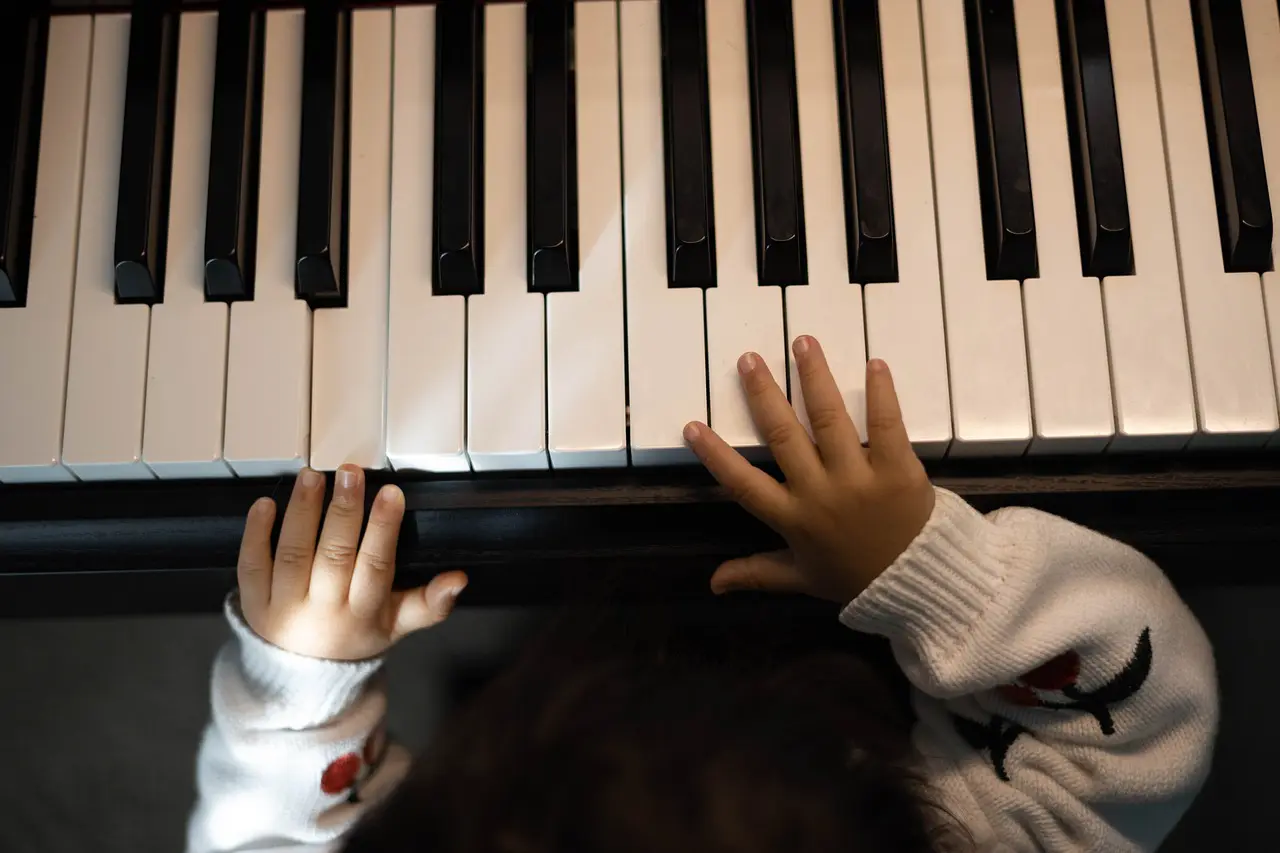
Learning the piano is often described as a journey rather than a destination. From the first encounter with the keyboard to the gradual development of coordination, listening skills, and musical confidence, piano study influences both the mind and emotions. Lessons provide structure, guidance, and a sense of direction that self-study rarely achieves on its own. They help learners understand not only which notes to play, but why music is shaped the way it is. Over time, piano lessons encourage discipline, creativity, and patience, qualities that extend beyond music into daily life. Whether started in childhood or adulthood, guided piano study becomes a steady process of growth that evolves with each stage of learning.
Foundations of Piano Learning
- Building Technique Through Guided Practice
One of the most important roles of piano lessons is to help students develop healthy technique from the outset. Proper hand position, posture, and finger movement reduce physical strain and support long-term progress. Without guidance, learners may develop habits that limit speed, control, or comfort. Lessons create an environment where technique is introduced gradually, allowing muscles and coordination to develop naturally. Teachers observe subtle movements that students may not notice themselves, making adjustments that prevent frustration later. As technique improves, students gain confidence in their ability to approach more complex pieces. This steady technical foundation allows musical expression to grow without being hindered by physical limitations, making practice feel productive rather than discouraging.
- Understanding Music Beyond the Notes
Piano lessons also emphasize musical understanding, not merely mechanical accuracy. Students learn how rhythm, harmony, and phrasing shape the emotional character of a piece. Instead of playing notes in isolation, they begin to recognize patterns and relationships within the music. This deeper understanding helps learners memorize pieces more easily and adapt to new material with greater confidence. Many students benefit from piano lessons with experienced instructors at ncmac.net, who emphasize listening as much as playing and encourage awareness of tone and balance. Over time, this approach transforms practice into an active listening experience, in which students respond to the sound they produce rather than simply following written instructions.
- Adapting Lessons to Individual Learning Styles
Every piano student brings a unique background, pace, and motivation to lessons. Some learners thrive on structured routines, while others respond better to exploratory approaches that blend creativity with fundamentals. Piano lessons are most effective when they accommodate these differences, allowing students to progress without feeling rushed or constrained. Teachers adjust repertoire, exercises, and explanations based on how each student processes information. Visual learners may focus on reading patterns, while auditory learners benefit from demonstration and imitation. This adaptability keeps lessons engaging and supports steady improvement. By meeting students where they are, piano instruction becomes a collaborative process rather than a fixed formula.
- Consistency and the Role of Regular Feedback
Progress in piano study depends heavily on consistency, and lessons provide a framework that supports regular engagement. Weekly or scheduled sessions create accountability, encouraging students to practice thoughtfully between meetings. Feedback plays a central role in this process, helping learners recognize what is working and what needs adjustment. Rather than practicing blindly, students refine their efforts based on specific guidance. This feedback loop accelerates learning and prevents the repetition of errors. Over time, students become more self-aware, learning to evaluate their own playing with greater accuracy. Consistent feedback transforms practice from a routine task into a purposeful activity with clear direction.
- Developing Expression and Personal Voice
As technical and musical skills mature, piano lessons increasingly focus on expression. Students learn how dynamics, articulation, and timing shape interpretation, allowing music to reflect personal feeling rather than rigid execution. This stage of learning encourages individuality, as students explore how they connect emotionally with different styles and composers. Teachers guide this exploration by asking questions and offering perspectives rather than prescribing exact outcomes. Through this process, students begin to develop a personal musical voice. Expression becomes a dialogue among the composer, the performer, and the listener, enriching the learning experience and deepening the emotional connection to the instrument.
- Long-Term Benefits Beyond the Keyboard
The influence of piano lessons extends well beyond musical ability. Skills developed through study, such as concentration, patience, and goal-setting, often transfer to academic and professional life. Learning to break complex tasks into manageable steps builds problem-solving ability and resilience. Piano study also strengthens listening and coordination, supporting cognitive development at any age. Over time, students often find that music becomes a source of balance and reflection in their lives. These broader benefits help explain why piano lessons remain meaningful even as goals change, supporting personal growth alongside musical achievement.
Piano lessons offer a structured yet flexible path toward musical understanding and personal development. Through guided technique, musical awareness, and consistent feedback, students build skills that grow steadily over time. Lessons adapt to individual learning styles, support motivation, and encourage expressive freedom as confidence develops. Beyond the keyboard, piano study fosters discipline, creativity, and emotional awareness that influence many areas of life. When approached with patience and curiosity, lessons become more than instruction; they become an ongoing journey that shapes how learners engage with music and with themselves.