Cooling systems play a major role in maintaining indoor comfort during warmer months, but their performance depends on more than the equipment alone. HVAC contractors influence cooling system efficiency through careful planning, system setup, and ongoing performance oversight. Their work affects how effectively a cooling system manages heat, controls humidity, and responds to daily usage demands. Instead of focusing only on temperature output, contractors consider airflow, control accuracy, and system coordination to support efficient operation. These efforts help cooling systems function steadily while reducing unnecessary energy use. Understanding how contractors shape efficiency highlights why professional involvement matters throughout the life of a cooling system.
Key factors shaping cooling efficiency
- Designing Cooling Systems Around Real Usage Conditions
Cooling efficiency begins with how well a system matches its environment. HVAC contractors assess building layout, insulation levels, and occupancy patterns before recommending system configurations. This process helps ensure that cooling equipment can handle heat loads without overworking. Contractors also consider factors such as window exposure, ceiling height, and ventilation paths that influence how cool air moves through a space. By aligning system capacity with real conditions, contractors reduce frequent cycling and uneven cooling. This thoughtful design approach supports steady performance and prevents wasted energy from mismatched systems. When systems are sized and configured correctly, efficiency becomes a natural outcome of proper planning rather than an afterthought.
- Optimizing Airflow for Consistent Cooling Performance
Airflow management plays a central role in cooling efficiency, and HVAC contractors prioritize this aspect during setup and adjustments. They evaluate ductwork, fan settings, and return-air placement to ensure cool air circulates evenly. Poor airflow can cause some areas to remain warm while others become overly cool, forcing the system to run longer than necessary. Contractors make targeted adjustments to balance air distribution and support even temperatures. In regions with diverse cooling needs, such as areas where we serve Sacramento, contractors also consider local climate patterns when fine-tuning airflow behavior. These steps help cooling systems respond efficiently to thermostat settings while reducing strain on internal components.
- Maintaining Equipment Performance Through System Calibration
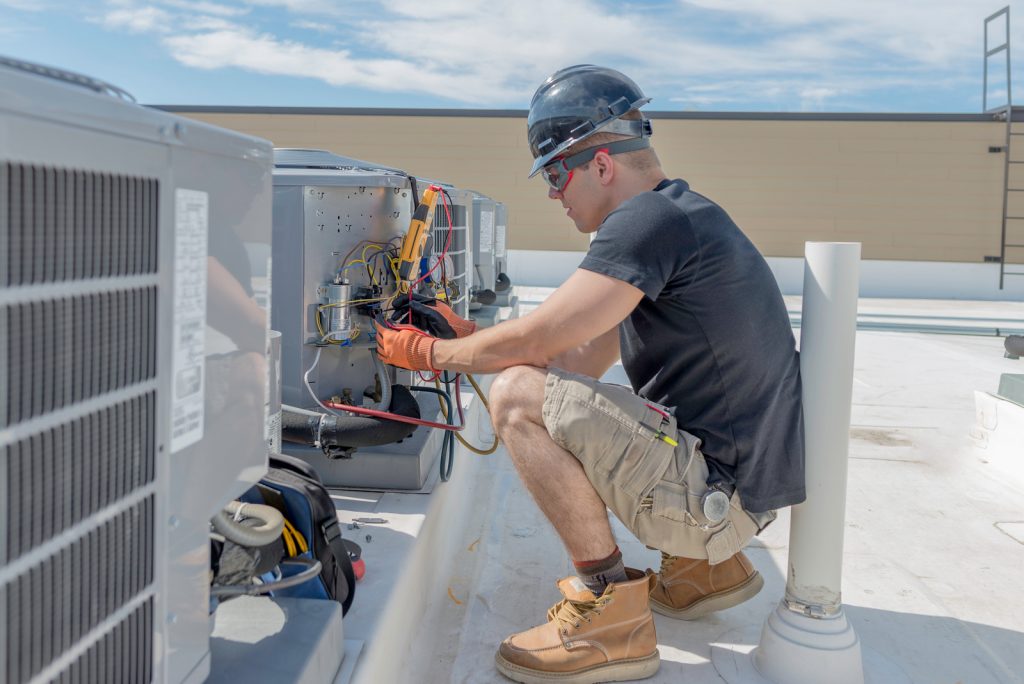
Beyond airflow, cooling efficiency depends on how accurately system components work together. HVAC contractors calibrate thermostats, sensors, and control boards to ensure the system responds appropriately to temperature changes. Small calibration errors can lead to excessive run times or delayed shutdowns, both of which increase energy use. Contractors test system responses under normal operating conditions and adjust timing and coordination as needed. This process helps cooling systems maintain stable output without unnecessary starts and stops. Proper calibration also supports consistent humidity control, which contributes to comfort and perceived cooling effectiveness. By maintaining alignment between controls and mechanical components, contractors help cooling systems operate smoothly and efficiently.
- Monitoring and Supporting Efficiency Over Time
Cooling efficiency is not fixed; system performance can change due to wear, environmental factors, or usage shifts. HVAC contractors support efficiency by monitoring performance trends and addressing gradual changes before they become problems. This may involve adjusting settings, cleaning internal components, or correcting airflow imbalances caused by settling or minor obstructions. Contractors also review how systems perform during peak-demand periods to ensure they remain within their intended operating ranges. These ongoing efforts help preserve efficiency even as conditions evolve. By treating cooling efficiency as an ongoing objective, contractors help systems maintain dependable performance without unnecessary energy consumption.
Sustaining Cooling Efficiency Through Professional Care
Supporting cooling efficiency requires more than occasional adjustments or quick fixes. HVAC contractors contribute by aligning system performance with building demands, climate conditions, and everyday usage patterns. Through accurate setup, airflow control, and ongoing evaluation, cooling systems can operate smoothly without unnecessary strain. When efficiency is prioritized during installation, tuning, and follow-up care, equipment responds more consistently and avoids premature wear. These efforts help maintain comfort while managing energy consumption throughout warmer seasons. By approaching cooling efficiency as a continuous process rather than a one-time task, contractors help systems remain dependable. This long-term focus allows property owners to experience reliable cooling performance even as conditions change.