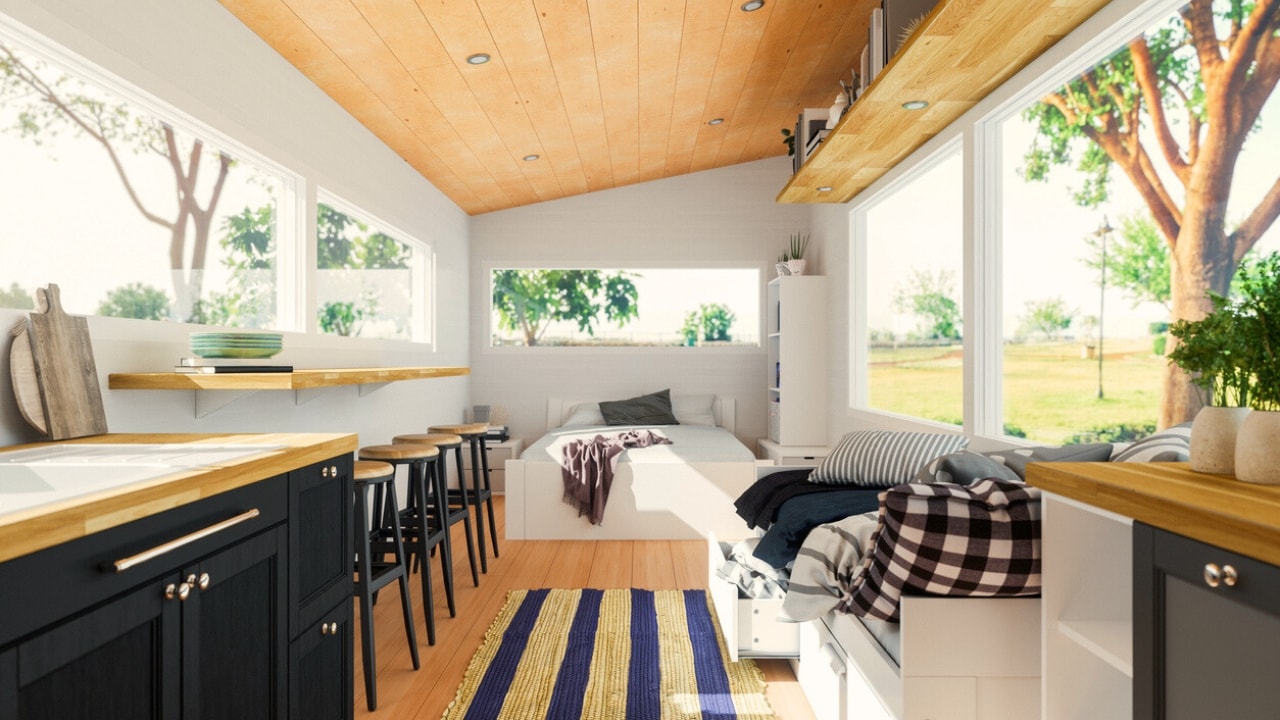
Accessory dwelling units have become an important consideration for homeowners, shaping their thinking about space, flexibility, and long-term property use. An ADU can serve many purposes, from housing extended family to creating rental income or establishing a private workspace. Behind every successful ADU project is careful planning that balances design, regulations, and construction realities. ADU builders guide homeowners through this process, helping translate ideas into functional living spaces that fit within existing properties. Understanding the role of ADU builders helps clarify how these projects move from concept to completion while supporting both lifestyle needs and property goals.
From Concept to Construction
- Understanding Property Potential and Limitations
Every ADU project begins with understanding what a property can realistically support. Lot size, zoning regulations, setbacks, and existing structures all influence what type of unit can be built. ADU builders start by evaluating these factors to determine feasible layouts and building options. This stage helps homeowners avoid unrealistic expectations and focus on designs that align with local requirements. By identifying limitations early, builders help prevent costly redesigns later in the process. Property evaluation also considers access, privacy, and utility connections, all of which affect how the ADU will function within the main residence.
- Designing for Function and Integration
Design plays a central role in ADU projects because the unit must feel connected to the property while maintaining independence. ADU builders work with homeowners to create layouts that support daily living while minimizing wasted space. Thoughtful design addresses natural light, storage, and circulation so that smaller footprints still feel comfortable. Many homeowners choose to build an adu with My ADU because design discussions focus on blending the new structure with existing architecture rather than treating it as an afterthought. Integration ensures the ADU complements the main home visually and functionally, supporting long-term satisfaction.
- Navigating Permits and Local Regulations
Permitting is often one of the most complex aspects of building an ADU. Local regulations govern height limits, occupancy rules, parking requirements, and utility connections. ADU builders manage this process by preparing documentation, coordinating with local authorities, and responding to review feedback. This oversight helps keep projects moving forward while maintaining compliance. Understanding the permitting process reduces uncertainty for homeowners and helps establish realistic timelines. Builders familiar with local requirements streamline approvals, enabling construction to begin with confidence that the project complies with regulatory standards.
- Construction Planning and Site Coordination
Once permits are approved, construction planning becomes the focus. ADU builders coordinate schedules, materials, and site access to minimize disruption to the main residence. This planning includes staging materials, managing utilities, and sequencing work to maintain safety and efficiency. Builders also consider how construction will affect daily routines, especially when homeowners remain on-site. Clear planning helps keep the project organized and reduces delays caused by unexpected conflicts. Coordination during this phase ensures that the ADU takes shape smoothly while protecting the existing property.
- Balancing Budget and Long-Term Value
Budget considerations influence every stage of an ADU project, from design choices to material selection. ADU builders help homeowners understand how different decisions affect overall costs and long-term value. Rather than focusing solely on upfront costs, builders often discuss durability, maintenance, and adaptability. This perspective helps homeowners make choices that support long-term use rather than short-term savings alone. Transparent budgeting allows for informed decisions and reduces stress during construction. A balanced approach supports financial clarity while aligning the project with broader property goals.
- Adaptability for Changing Needs
One of the defining features of ADUs is their adaptability over time. An ADU may serve as a guest space today and a rental unit or workspace later. Builders consider this flexibility during planning by designing layouts that can accommodate different uses. Features such as separate entrances, efficient kitchens, and adaptable living areas support evolving needs. This forward-thinking approach ensures the ADU remains functional as circumstances change. Builders who prioritize adaptability help homeowners maximize the long-term usefulness of their investment.
- Quality Control and Final Integration
As construction nears completion, quality control ensures that systems, finishes, and structural elements meet expectations. ADU builders conduct walkthroughs, address adjustments, and coordinate final inspections. This attention to detail helps ensure the unit is ready for occupancy and performs as intended. Final integration includes ensuring utilities function properly and that the ADU blends seamlessly with the property. This stage reinforces the builder’s role in delivering a completed space that feels cohesive and reliable.
ADU builders play an important role in transforming underutilized property into flexible living spaces. From early evaluations and design discussions to permitting, construction, and final integration, their guidance shapes how ADUs function and endure. Understanding this process highlights the value of careful planning and coordination throughout the project. When approached thoughtfully, ADU construction supports changing lifestyles while enhancing property functionality. Through clear communication and structured execution, ADU builders help homeowners realize the potential of accessory dwelling units in meaningful and lasting ways.