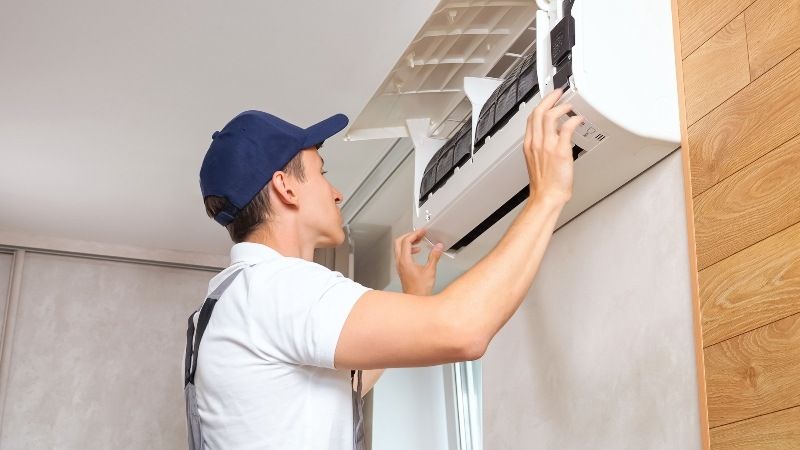
An air conditioning system that blows warm air can quickly turn a comfortable indoor space into a source of frustration. This issue often appears without warning, even in systems that seemed to be running normally just days earlier. Warm air from vents is more than an inconvenience; it signals that something within the cooling process is no longer working as intended. AC repair solutions focus on identifying why cooled air is not reaching living spaces and restoring system balance. By understanding how cooling components interact and what disrupts that process, homeowners gain clearer insight into why warm-air problems occur and how repairs restore dependable comfort to daily life.
Causes and repair-focused responses
- Airflow and Thermostat-Related Causes
One of the first areas examined when an AC unit blows warm air is airflow control and thermostat function. If the thermostat is miscalibrated, exposed to direct sunlight, or set incorrectly, it may signal the system to run without triggering proper cooling cycles. At the same time, restricted airflow caused by clogged filters, blocked vents, or dirty evaporator coils can prevent cooled air from circulating effectively. These conditions often make the system appear operational while failing to deliver cool air. In some commercial diagnostics, such as inspections performed at a Muscle Shoals office, technicians frequently find that airflow imbalance alone can raise supply-air temperatures without any mechanical failure. Repair solutions in these cases focus on recalibration, cleaning, and restoring proper air movement rather than replacing major components.
- Refrigerant and Cooling Cycle Disruptions
Refrigerant plays a central role in absorbing indoor heat and releasing it outdoors. When refrigerant levels drop due to leaks or improper charging, the cooling cycle becomes incomplete, resulting in warm air from vents. Unlike visible airflow issues, refrigerant problems often develop quietly and worsen over time. AC repair solutions involve pressure testing, leak detection, and precise recharging to restore correct system balance. Repairs also address the underlying cause of refrigerant loss rather than simply refilling the system. By restoring the integrity of the cooling cycle, these solutions enable efficient heat transfer again. This process highlights how even small disruptions in refrigerant flow can significantly affect indoor comfort.
- Electrical and Component-Related Interruptions
Electrical components play a critical role in coordinating cooling operations. Capacitors, contactors, and wiring connections must work together to activate compressors and fans at the right time. When these components wear down or fail, the system may continue to run at limited capacity, pushing air without cooling it. AC repair solutions in these situations focus on identifying which electrical signals are not being transmitted correctly. Technicians test voltage levels, inspect connections, and replace worn components to restore proper coordination. These repairs emphasize precision over broad replacement, ensuring each component supports the cooling process as designed. Addressing electrical interruptions helps the system transition smoothly between cycles and maintain consistent cooling output.
- Why warm air problems persist
Warm air issues often persist because multiple small disruptions combine rather than a single major failure. A minor airflow restriction, paired with a refrigerant imbalance, can significantly reduce cooling performance. Understanding this interaction helps explain why targeted repairs are more effective than surface-level adjustments.
- Outdoor Unit and Heat Release Challenges
The outdoor unit is responsible for releasing the heat absorbed from inside the building. When this unit is obstructed by debris, dirt buildup, or inadequate clearance, heat cannot dissipate efficiently. As a result, the system struggles to complete the cooling cycle, resulting in warmer indoor air. Repair solutions focus on cleaning coils, improving airflow around the unit, and ensuring that fans operate correctly. These steps allow heat to exit the system as intended. In some cases, repairs also involve correcting installation issues that limit ventilation around the outdoor unit. By restoring proper heat release, these solutions support the entire cooling process and help indoor temperatures return to comfortable levels.
- Ductwork and Distribution Problems
Even when the cooling process functions correctly, damaged or poorly sealed ductwork can cause cool air to be lost before it reaches living spaces. Leaks, gaps, or poorly insulated ducts allow cooled air to mix with warmer attic or wall air, resulting in higher supply temperatures at vents. AC repair solutions address these issues by sealing connections, reinforcing insulation, and adjusting duct layout where necessary. These repairs focus on preserving cooled air from the point it leaves the system to where it enters the room. By improving distribution efficiency, duct-focused solutions ensure that the cooling effort translates into noticeable comfort rather than wasted energy.
- Long-Term Performance and Preventive Repairs
Warm air problems often highlight deeper maintenance needs within an AC system. Repair solutions frequently include recommendations that support long-term performance, such as routine inspections, component cleaning, and operational testing. While the immediate goal is restoring cool air, these steps also reduce the likelihood of recurring issues. Preventive-focused repairs help systems operate within intended parameters, minimizing stress on compressors and fans. Over time, this approach supports more stable cooling and fewer disruptions during peak usage periods. By addressing both immediate symptoms and underlying causes, AC repair solutions deliver consistent comfort rather than temporary relief.
AC units that blow warm air signal disruptions within the cooling process that require focused attention. Repair solutions address airflow restrictions, refrigerant imbalances, electrical interruptions, and heat release challenges through precise evaluation and targeted action. Rather than relying on broad fixes, effective repairs restore coordination among system components, allowing cooling cycles to function properly again. By understanding the causes of warm-air issues and how repairs resolve them, homeowners gain confidence in maintaining reliable indoor comfort. Over time, these solutions provide steady, reliable cooling and reduce the risk of unexpected performance issues.