Installing a new HVAC system is only one part of ensuring dependable indoor comfort. After the equipment is installed, connected, and powered on, a detailed post-installation testing process is essential. HVAC contractors rely on these evaluations to confirm that every component is operating as intended and that the system integrates properly with the building’s structure. Post-installation testing helps identify airflow imbalances, electrical inconsistencies, and calibration issues that may not be visible during installation. By carefully validating system performance at this stage, contractors help reduce early breakdowns, improve energy efficiency, and support long-term reliability. This step transforms a newly installed system into a fully functional, reliable part of the property.
What Post-Installation Testing Covers
- Verifying System Startup and Electrical Stability
Once installation is complete, HVAC contractors begin post-installation testing by verifying that the system starts correctly and maintains electrical stability. This involves checking voltage levels, confirming proper wiring connections, and ensuring that control boards respond accurately to thermostat commands. Contractors monitor startup sequences to verify that compressors, blowers, and ignition systems activate in the correct order. Irregular startup behavior can signal underlying issues that may lead to premature wear if left unaddressed. During this phase, coordination with a professional company such as https://www.trust1services.com/service-area/quincy-ma/ ensures that testing follows standardized procedures aligned with manufacturer requirements. Proper electrical verification helps protect components from stress while establishing a stable foundation for ongoing operation.
- Airflow Measurement and Distribution Testing
Airflow testing plays a critical role in post-installation evaluation because balanced air movement directly affects comfort and efficiency. HVAC contractors measure airflow at supply registers and return vents to confirm that air is distributed evenly throughout the space. They assess duct connections for leaks, restrictions, or pressure inconsistencies that may compromise performance. Uneven airflow can make some rooms uncomfortable and force the system to work harder than necessary. By correcting airflow issues early, contractors help the system deliver consistent temperatures without excessive strain. This step also supports proper humidity control and reduces the likelihood of noise from turbulent air movement.
- Refrigerant Levels and Performance Checks
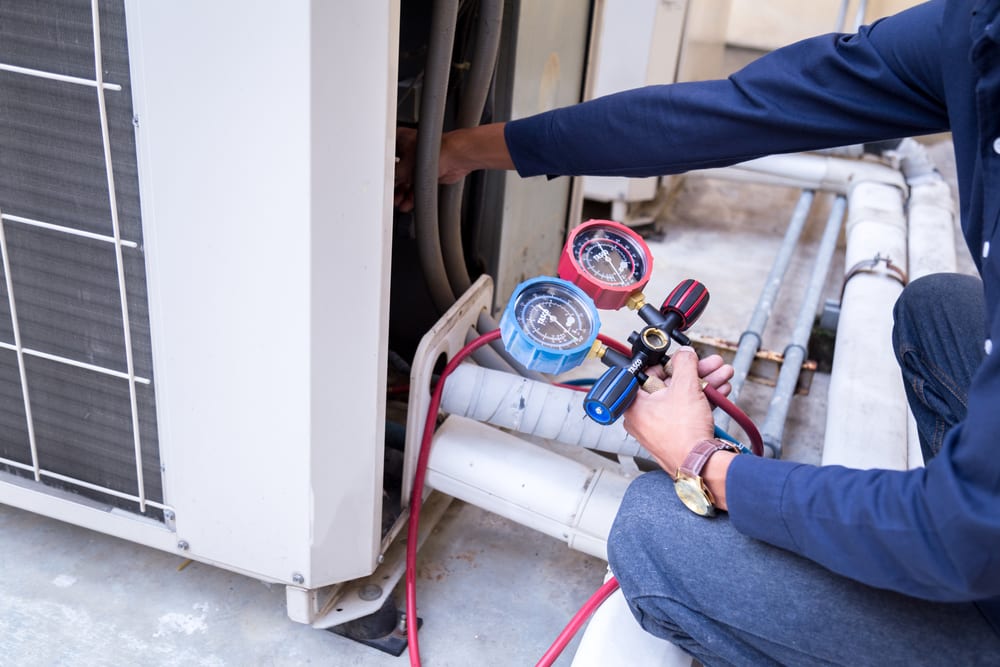
Refrigerant testing ensures that cooling systems operate within the designed pressure and temperature ranges. HVAC contractors use gauges and sensors to measure refrigerant levels and confirm that they match manufacturer specifications. Too little refrigerant can reduce cooling capacity, while excessive refrigerant may increase system pressure and energy consumption. Contractors also evaluate temperature differences between supply and return air to confirm effective heat transfer. Accurate refrigerant calibration helps the system achieve efficient cooling cycles while protecting compressors from unnecessary stress. This testing step is essential for long-term performance, especially during peak cooling seasons.
- Ensuring Control and Thermostat Accuracy
Post-installation testing includes careful evaluation of thermostat communication and control accuracy. HVAC contractors verify that thermostats correctly sense indoor temperatures and transmit signals without delay. They test heating and cooling responses across multiple cycles to confirm consistent performance. Programmable and smart thermostats receive additional checks to ensure schedules, sensors, and connectivity function as expected. Accurate control systems prevent short cycling and uneven temperature regulation. By validating these controls early, contractors help ensure that homeowners can rely on predictable comfort while reducing unnecessary system wear and energy use.
- Heating System Validation and Safety Testing
For systems that include heating components, post-installation testing focuses on safety and performance validation. HVAC contractors test burners, heat exchangers, and ignition systems to confirm reliable operation. They measure the temperature rise across the heating elements to ensure the heat output falls within acceptable ranges. Safety controls, such as limit switches and shutoff mechanisms, are tested to verify that they respond correctly under abnormal conditions. Proper heating system validation helps prevent overheating, combustion issues, and airflow restrictions. This process ensures that heating functions operate smoothly and safely during colder months.
- Noise Levels and Vibration Assessment
Excessive noise or vibration often indicates alignment or installation issues that require correction. HVAC contractors listen for unusual sounds during operation, such as rattling, humming, or grinding. They inspect mounting hardware, fan alignment, and duct connections to identify sources of vibration. Addressing noise issues early helps protect mechanical components from long-term damage. Quiet operation also enhances occupant comfort and reflects proper system integration. Through careful noise assessment, contractors ensure that the system operates smoothly without causing unnecessary disturbance.
- System Calibration and Fine Adjustments
After major testing is complete, HVAC contractors perform final calibration adjustments to optimize system performance. This may involve adjusting blower speeds, fine-tuning damper positions, or recalibrating sensors. These adjustments help align system operation with the building’s specific characteristics, such as insulation levels and layout. Calibration ensures that the system responds efficiently to changing conditions without overworking components. By completing this step, contractors tailor system behavior to real-world conditions rather than relying solely on factory settings.
- Documentation and Performance Verification
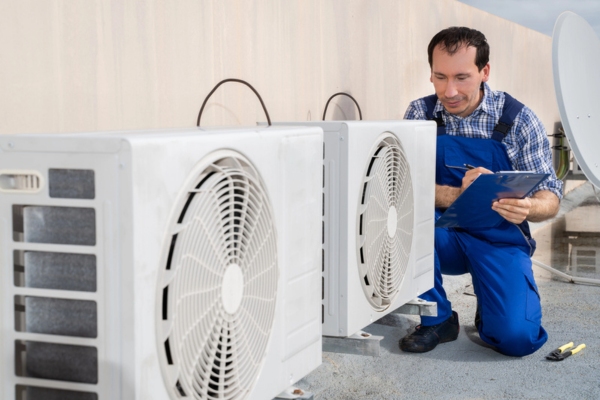
Post-installation testing concludes with documentation that verifies system performance and compliance. HVAC contractors record test results, measurements, and adjustments made during evaluation. This documentation serves as a reference for future maintenance and helps property owners understand system operation. Verified performance records also support warranty coverage and service planning. By maintaining detailed documentation, contractors contribute to transparency and long-term system accountability.
Post-installation system testing is a vital step that bridges the gap between installation and long-term HVAC performance. Through electrical verification, airflow testing, refrigerant calibration, safety checks, and system fine-tuning, HVAC contractors confirm that new systems operate as intended. This structured testing process reduces early failures, improves efficiency, and supports consistent indoor comfort. By validating every component after installation, contractors help ensure that HVAC systems deliver reliable service, protect homeowner investment, and perform effectively throughout their operational lifespan.